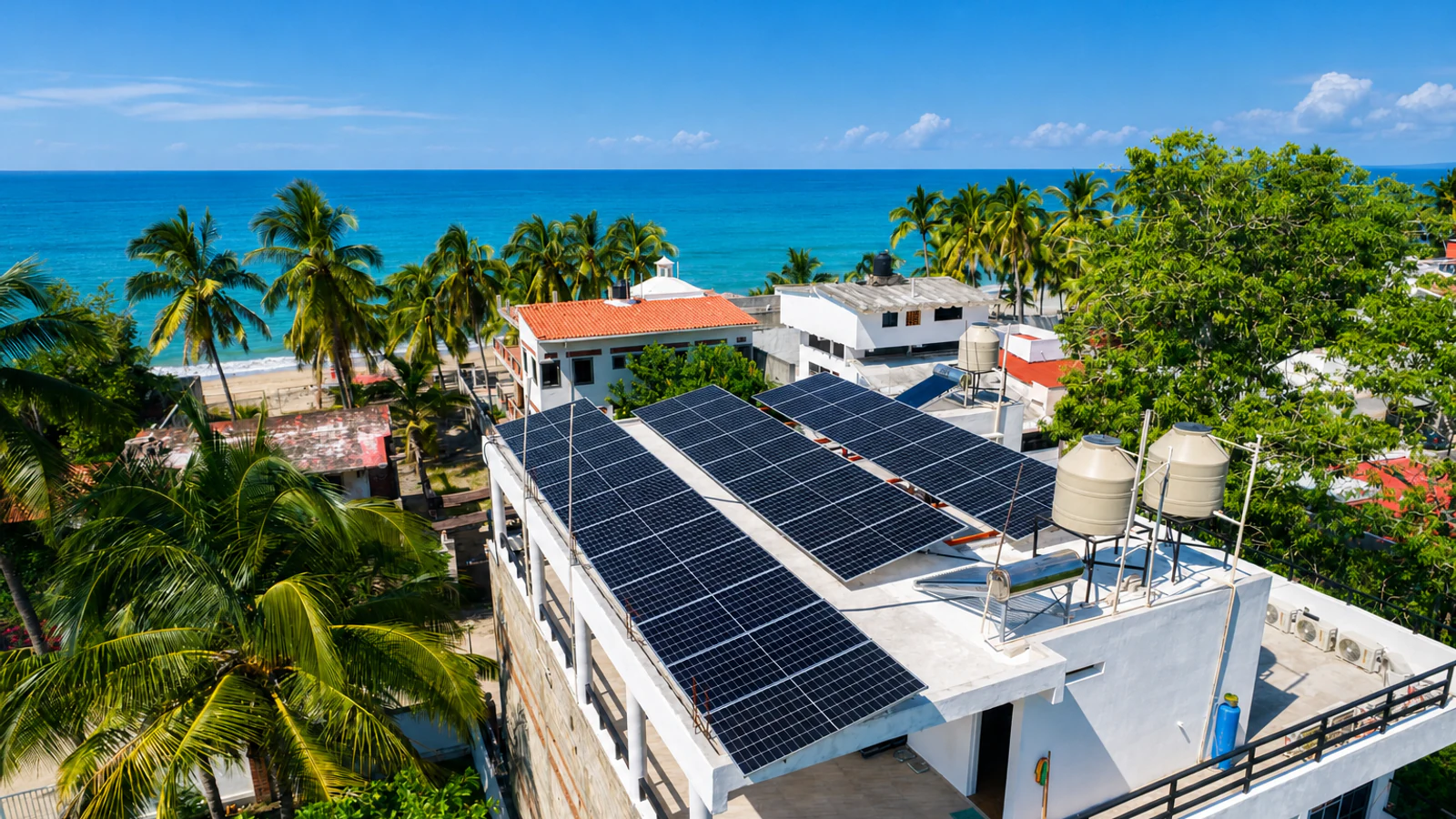
A solar-panel system needs relatively little maintenance, but it should not be left without supervision. Basic cleaning removes surface soiling, while preventive technical inspections can identify changes in the mounting, wiring, or energy production before they become larger problems.
Two types of care that protect your investment
The right frequency depends on the site, module tilt, rainfall, and exposure to dust, sand, trees, birds, or salt air. It is therefore better to observe the physical condition and monitoring data than to follow a rigid schedule.
1. Basic cleaning
When visible dirt has accumulated, the module surface can be cleaned with gentle methods that do not scratch the glass or subject it to thermal shock.
- Timing: clean early in the morning or near sunset, when the modules are cool.
- Materials: use clean water and a soft cloth or non-abrasive brush with a telescopic handle.
- What to avoid: do not use metal scrubbers, abrasive chemicals, close-range pressure washing, or tools that can scratch the glass.
- Safety: if the modules are on a high or difficult-to-access roof, use fall protection or hire a professional. Never step on the panels.
How often should panels be cleaned?
One or two checks per year can be a practical starting point for many installations, but there is no universal cleaning interval. Sites exposed to dust, sand, birds, trees, or coastal conditions may require more frequent attention. Where rainfall keeps modules clean and production remains stable, the interval may be longer.
2. Preventive technical inspection
A periodic professional inspection helps confirm that the system continues to operate safely and in line with its expected performance.
- Mounting: inspect anchors, clamps, rails, corrosion, and fastener torque.
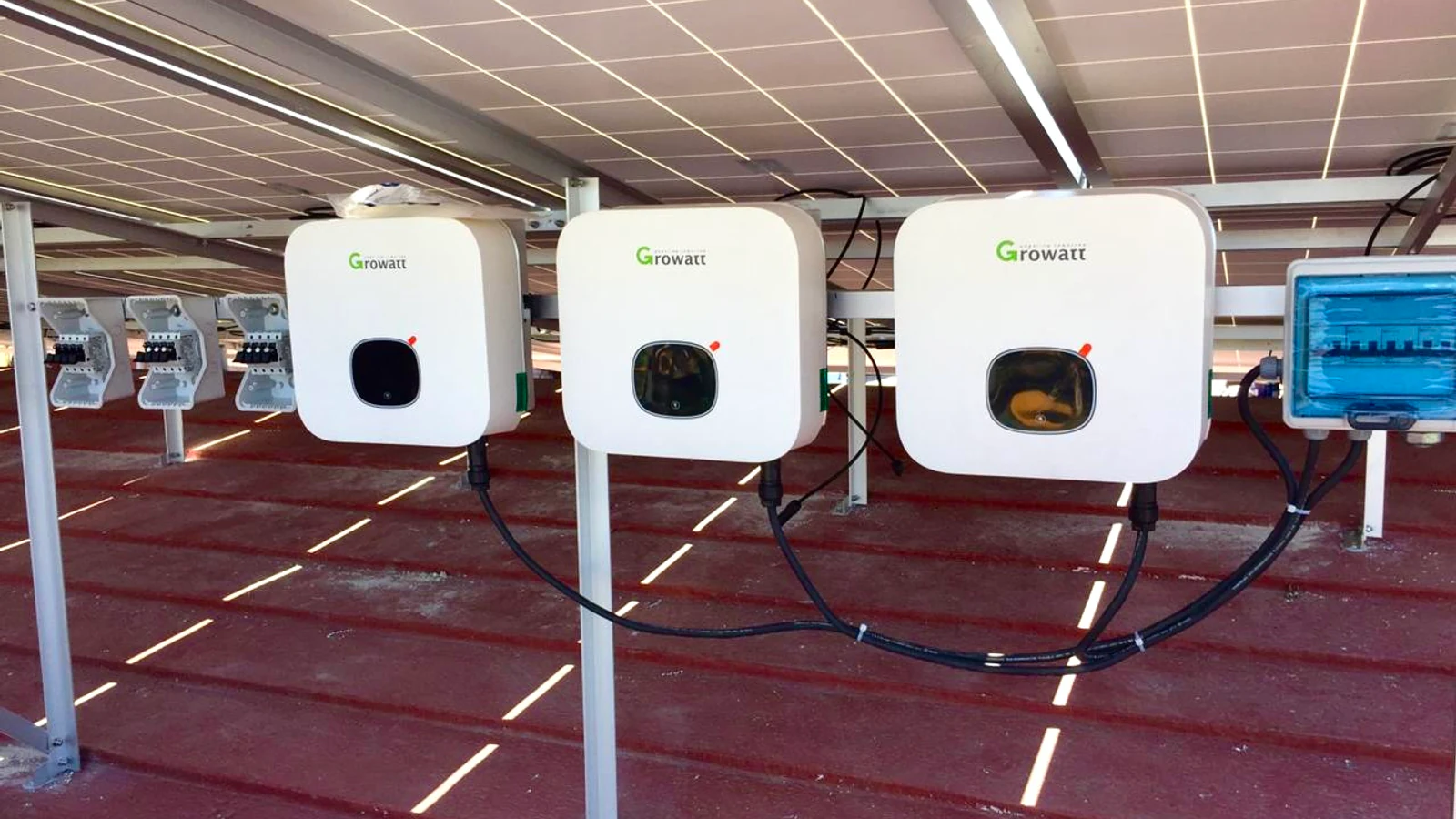
- Wiring: check connectors, conduit, insulation, and signs of overheating or damage.
- Inverter: review alerts, ventilation, protection devices, and operating parameters.
- Measurements: verify voltage and current on the direct-current (DC) and alternating-current (AC) sides.
- Production: compare monitoring data with historical performance to identify unusual losses.