
Choosing a solar panel means looking beyond the brand name or the wattage on the label. The exact model, warranty, available support and fit with your roof determine how suitable a proposal is for your home or business.
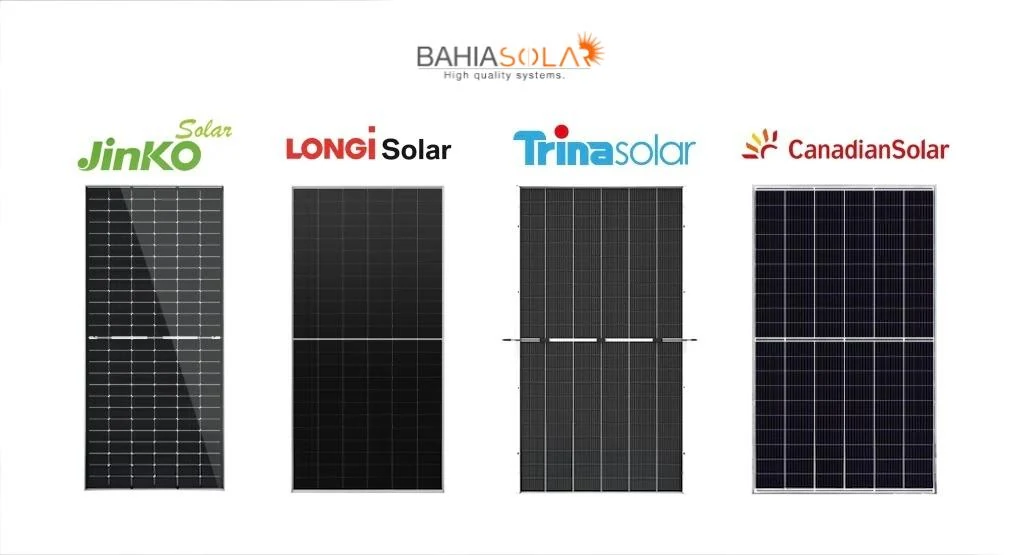
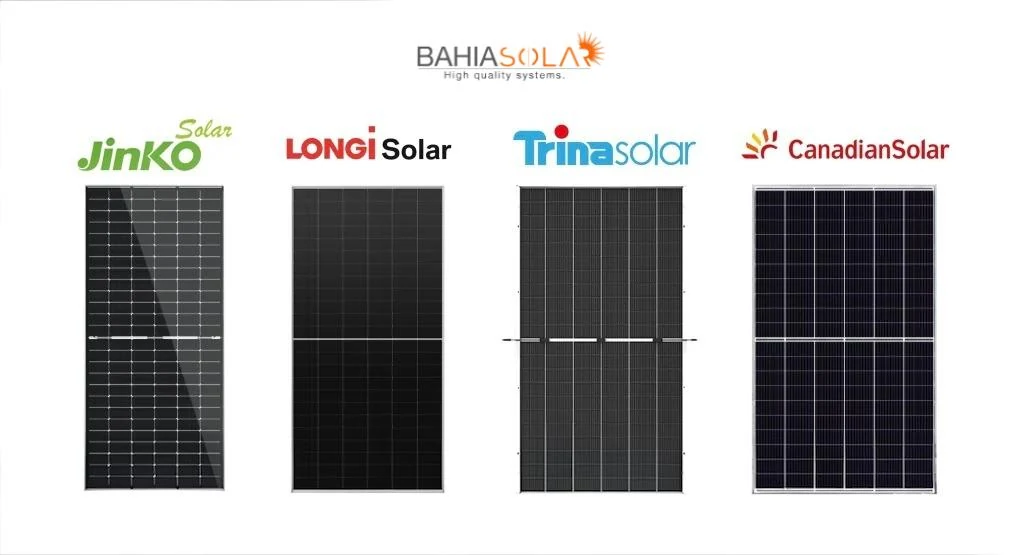
These ten manufacturers offer a useful introduction to different technologies on the market. This is a guide to brands and product families, not a best-to-worst ranking. Models and warranty terms available in Mexico may vary, so confirm exactly what is being offered and who will handle a claim.
Manufacturers and technologies to know
JinkoSolar
The Tiger Neo family uses n-type TOPCon cells and includes several module configurations. When comparing a proposal, review the efficiency, temperature coefficient and warranty of the specific model, rather than assuming every panel in the family has the same specifications.
LONGi
The Hi-MO X10 series uses HPBC 2.0 back-contact technology. This design moves electrical contacts to the rear of the cell to make better use of its front surface. It may be worth considering when usable roof space is limited.
Trinasolar
Its portfolio includes the Vertex family and n-type TOPCon modules in formats designed for different project sizes. A higher-wattage module can also be larger and heavier, so roof dimensions and mounting requirements need to be part of the decision.
Canadian Solar
Canadian Solar offers several module families. Within its TOPCon range, TOPHiKu6 includes monofacial options, while TOPBiHiKu6 includes bifacial options. That distinction matters: the ability to use rear-side light should match the conditions of the actual installation.
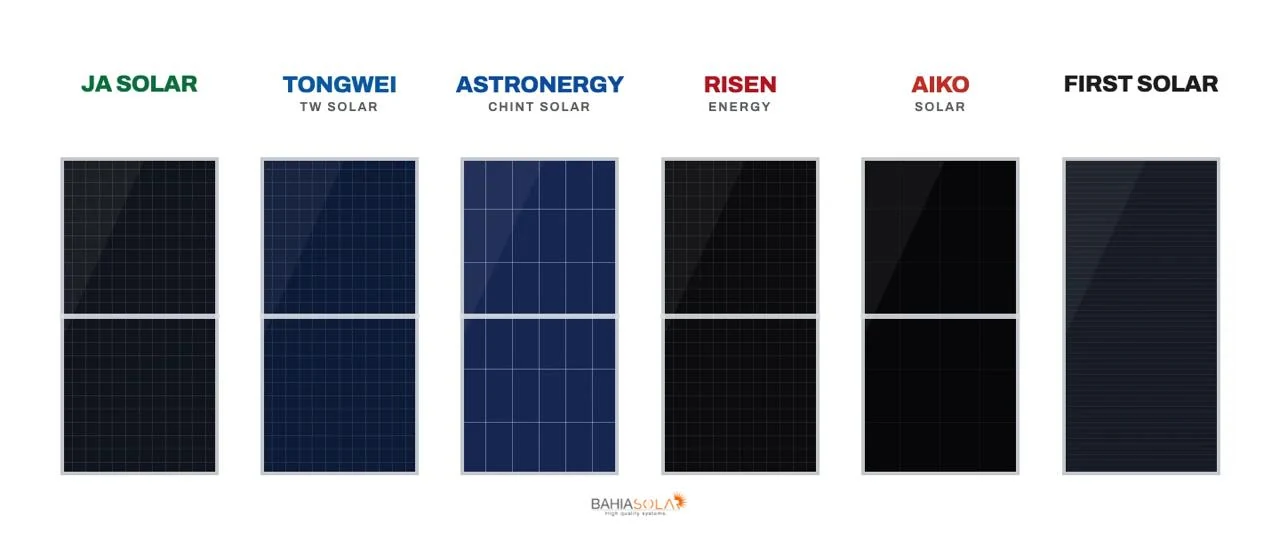
JA Solar
The DeepBlue 4.0 Pro family uses n-type Bycium+ cells. It is one of the options to compare alongside other passivated-contact technologies. Value for money should be assessed using the complete proposal, estimated energy yield and local support.
Tongwei Solar
Tongwei operates across several stages of the photovoltaic supply chain, from silicon to cells and modules, and offers product families such as TNC. Vertical integration describes its industrial operations; it does not replace checking the module data sheet, distributor and service terms.
Astronergy
ASTRO N modules use n-type TOPCon cell technology. For any proposal, compare the size and specifications of the exact version, as well as its compatibility with the inverter and the system’s electrical design.
Risen Energy
The Hyper-ion family uses heterojunction technology, commonly called HJT. To assess this option, review the temperature coefficient, dimensions, weight and applicable warranty, along with the price per module.
AIKO
AIKO’s ABC, or All Back Contact, technology places the electrical contacts on the rear of the cell. This keeps the front free of the contact grid and supports a uniform appearance. The practical benefit should be assessed by comparing specific module models.
First Solar
First Solar specializes in cadmium telluride thin-film modules, a different technology from crystalline silicon. Its offering is aimed primarily at large-scale projects, so these modules should not be treated as a direct substitute for any residential solar panel.
What Tier 1 actually means
BloombergNEF’s Tier 1 classification is based on criteria related to projects and financing. It is not a technical quality certification for an individual panel or a performance guarantee for your home. It can provide context about a manufacturer, but it does not replace evaluating the product and installation.
Five things to compare in a solar proposal
-
Exact model and data sheet
Ask for the full model number. Compare power, efficiency, dimensions, weight, temperature coefficient and electrical ratings under equivalent conditions.
-
Warranties and local responsibility
Distinguish the product warranty, power warranty and installation warranty. Confirm who handles a claim and which costs are covered.
-
Compatibility and system design
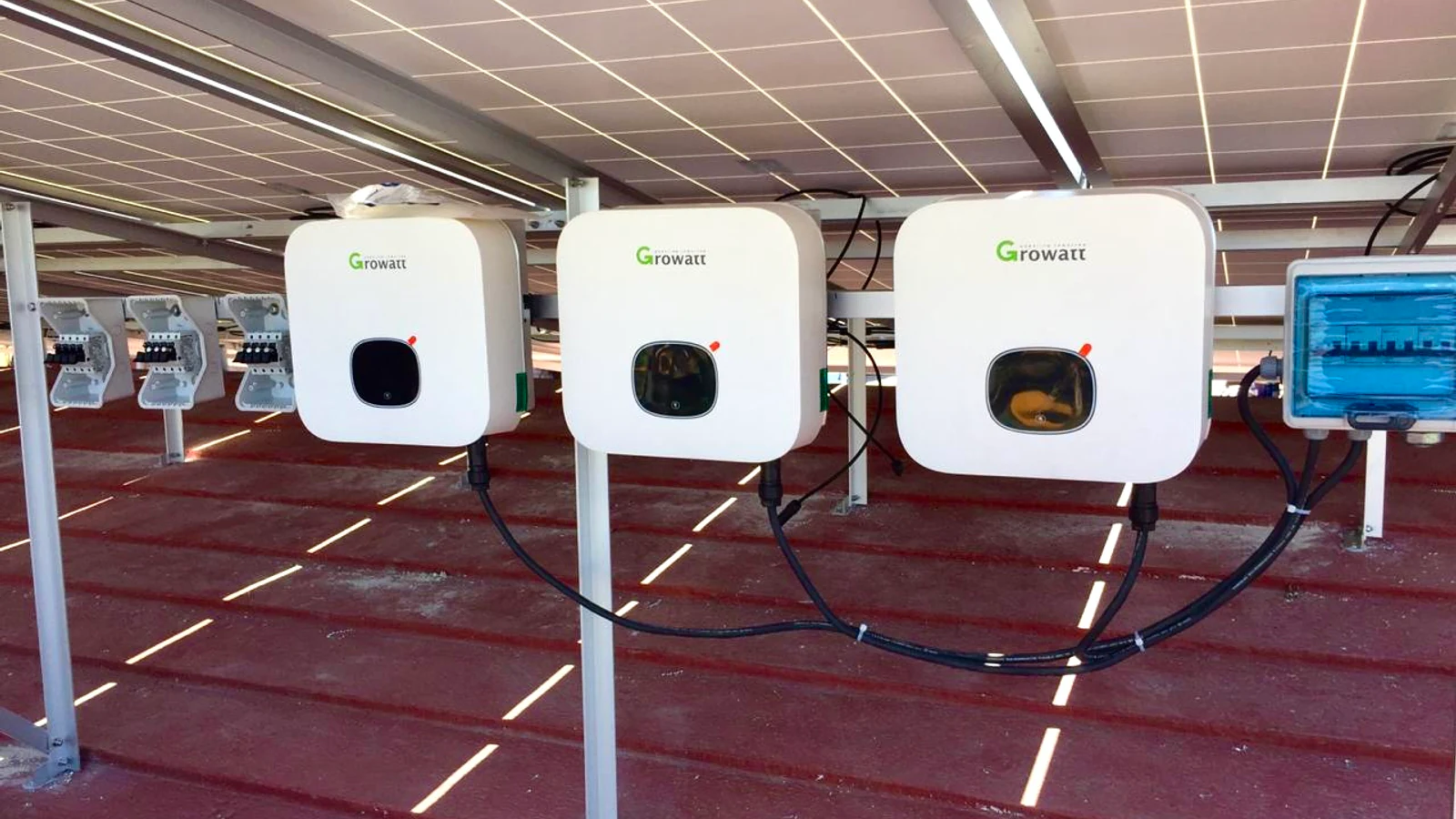
The panels must work with the inverter, protection equipment, mounting structure and available roof space. More watts per module do not automatically make a better system.
-
Conditions around the bay
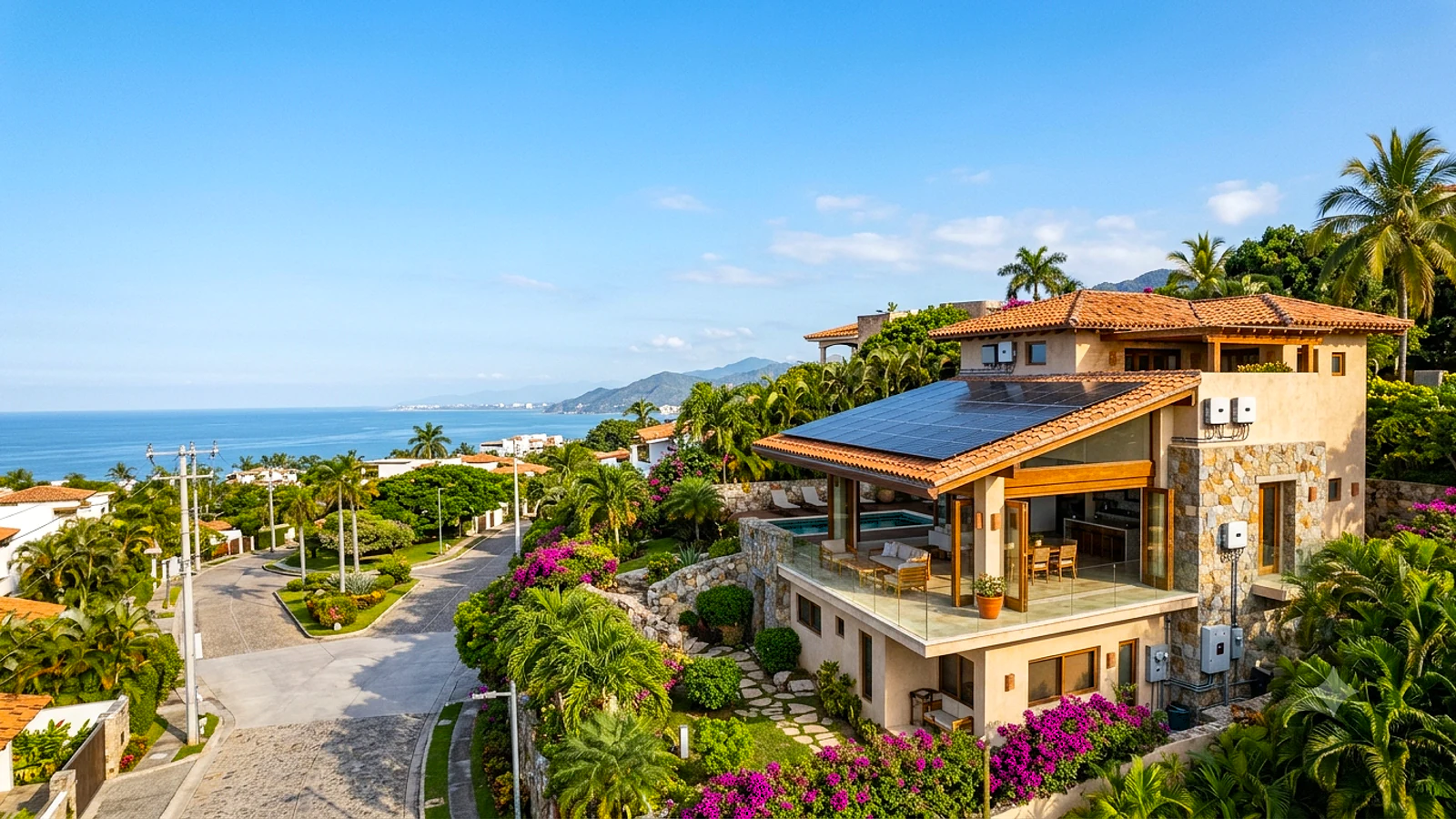
Consider heat, humidity, salt exposure, wind and shade. Ask for the specifications and certifications relevant to the site and the exact module.
-
Long-term energy and service
Compare estimated generation with your electricity bills, monitoring, maintenance and support. Panel prices are only one part of the investment.