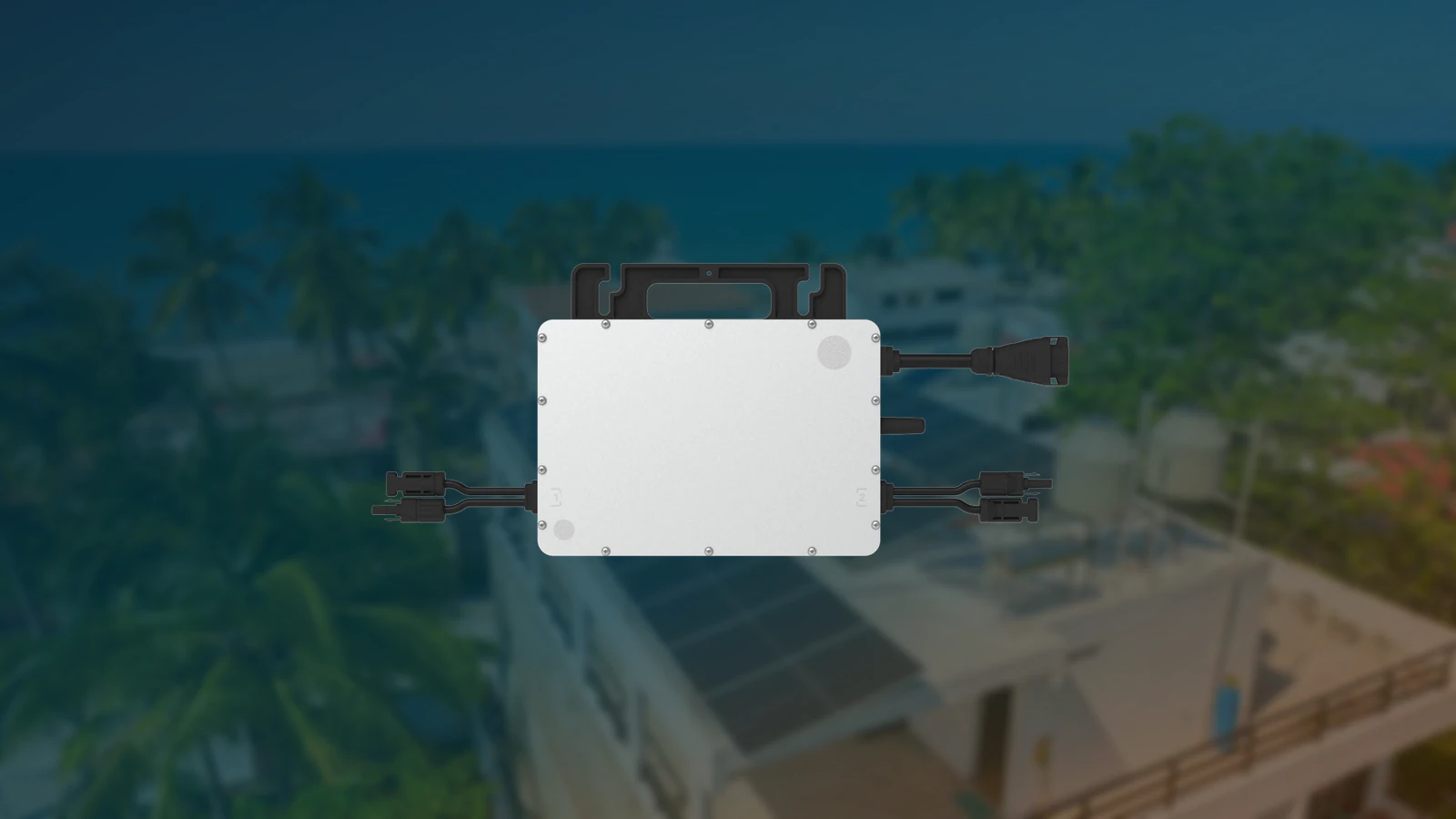

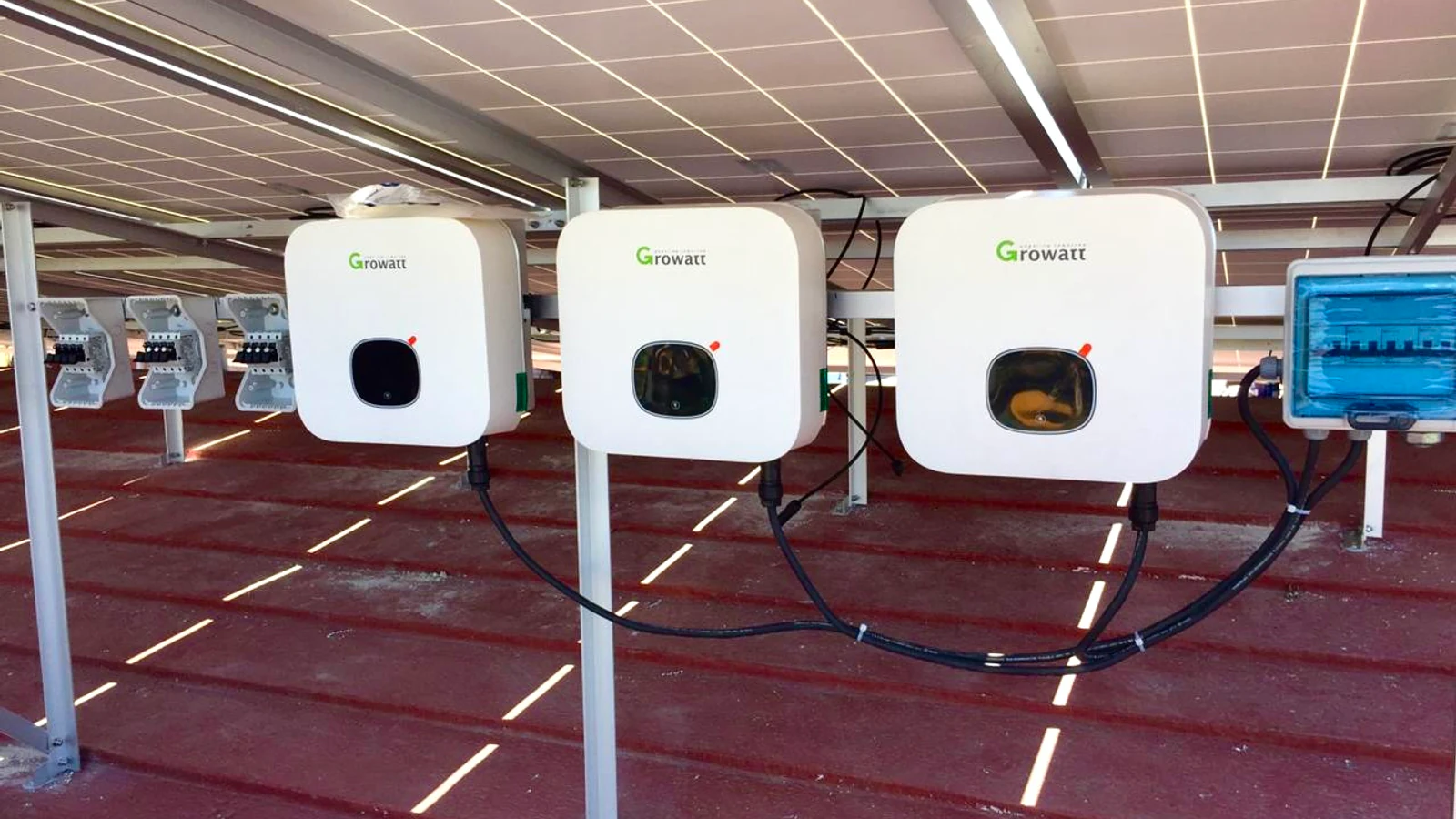
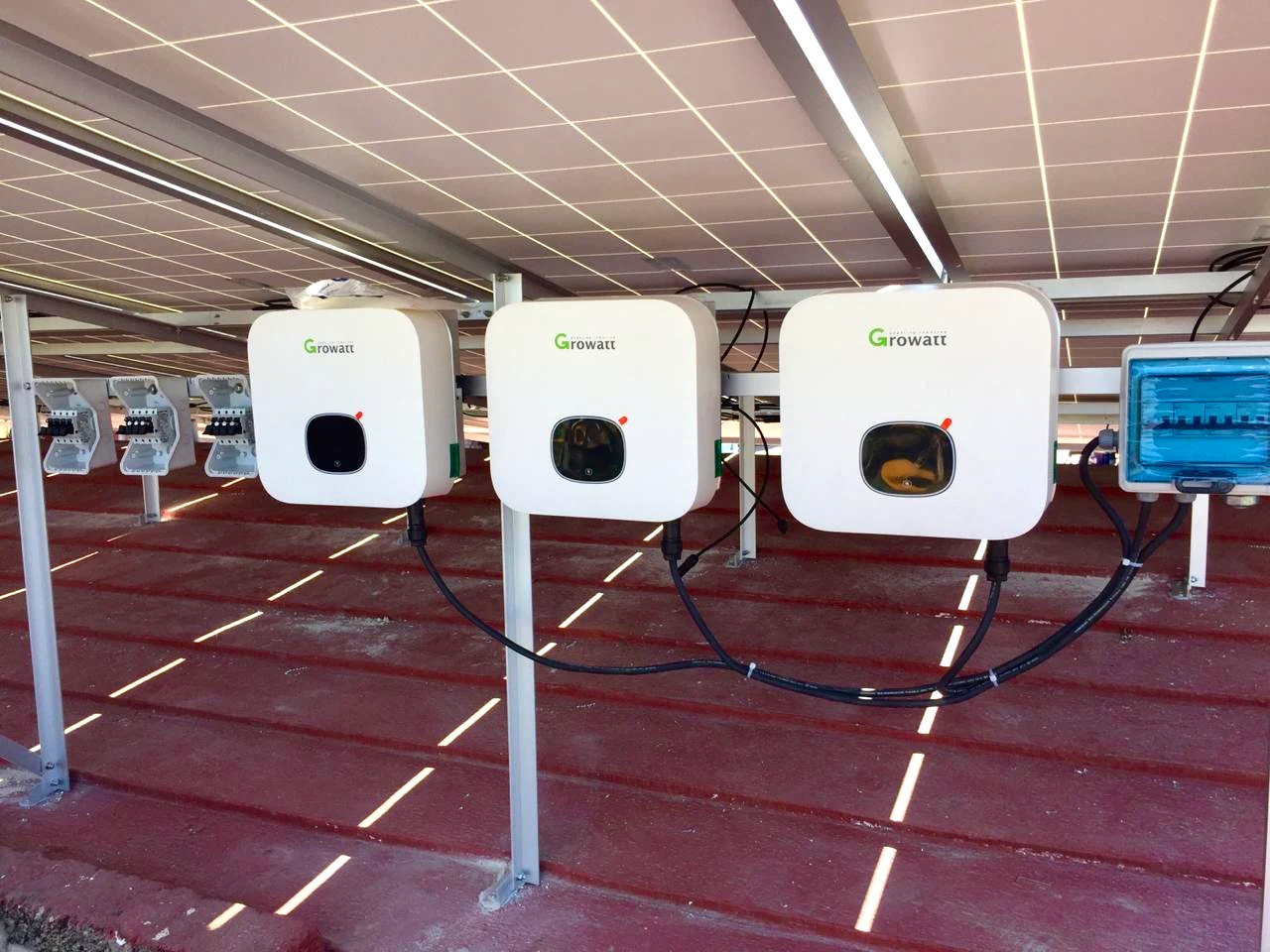
The inverter is one of the central pieces of equipment in a photovoltaic installation. It converts the direct current (DC) generated by solar panels into alternating current (AC), the form of electricity used by a property’s equipment and by the electrical grid.
Key functions of a solar inverter
- Energy conversion: changes the modules’ DC electricity into usable AC electricity.
- MPPT optimization: tracks the array’s maximum power point as irradiance and temperature change.
- Energy management: directs production to loads, the grid, or batteries, depending on the system design.
- Monitoring: records production, operating status, and alerts through a display or digital platform.
- Protection: disconnects during abnormal grid conditions and coordinates system safety functions.
How is an inverter selected?
Selection depends on panel power and configuration, operating voltage, the number of roof orientations, shading, grid connection, and whether batteries may be integrated. Nameplate power alone is not enough to make the right choice.