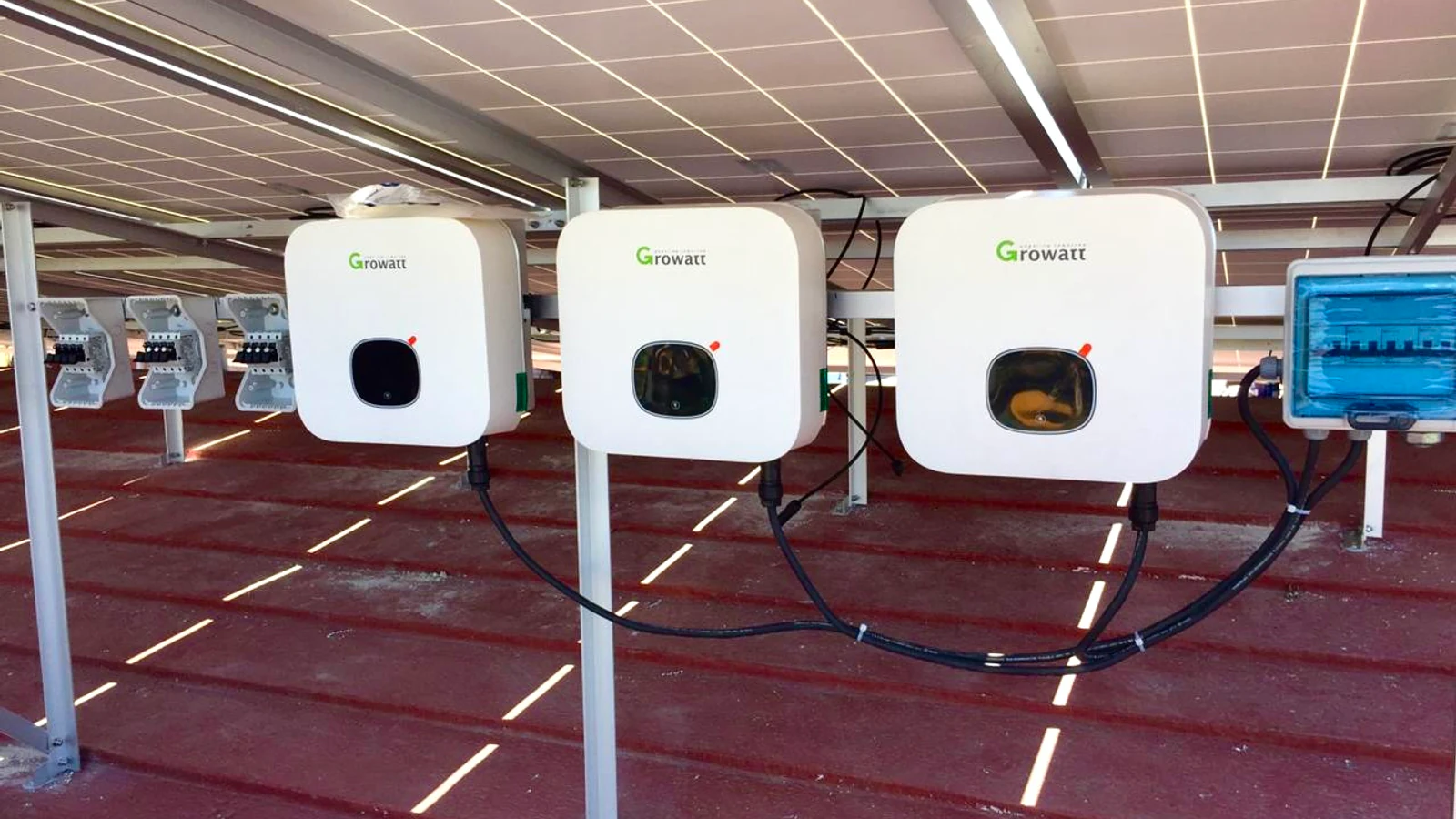

A microinverter is a compact device installed with one or more photovoltaic modules. It converts direct current into alternating current close to the panel and makes it possible to manage production at module level.
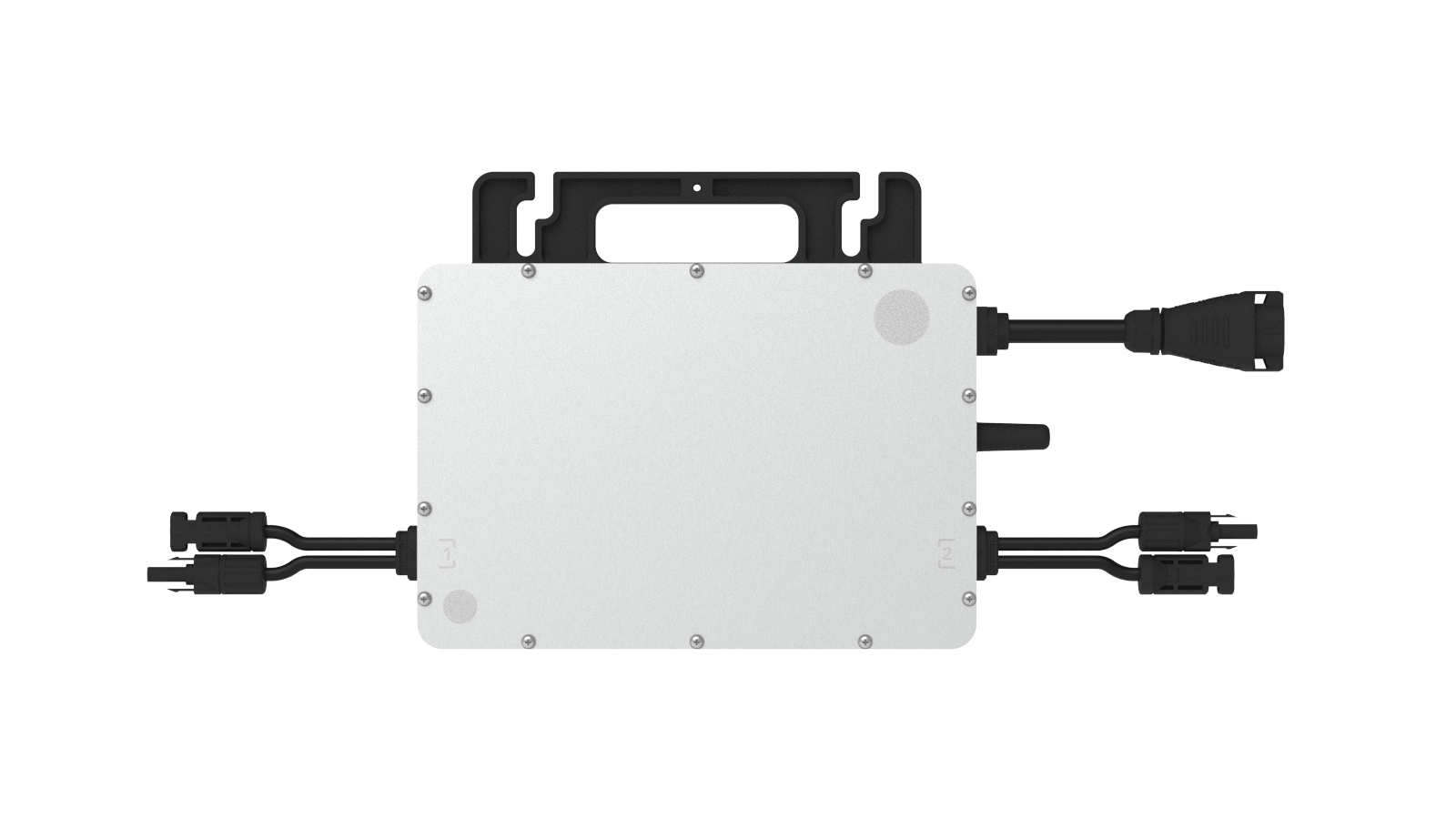
What does a microinverter do?
Its basic role is the same as a conventional inverter: converting DC into AC. The difference is that it performs maximum power point tracking and conversion independently for each module or small group of modules.
How it works and its advantages
- Independent operation: differences in orientation, soiling, or shade on one module have less effect on the others.
- Detailed monitoring: compatible platforms can display the production of each module.
- Shorter high-voltage DC runs: conversion takes place close to the module.
- Modular expansion: compatible panels may be easier to add later.
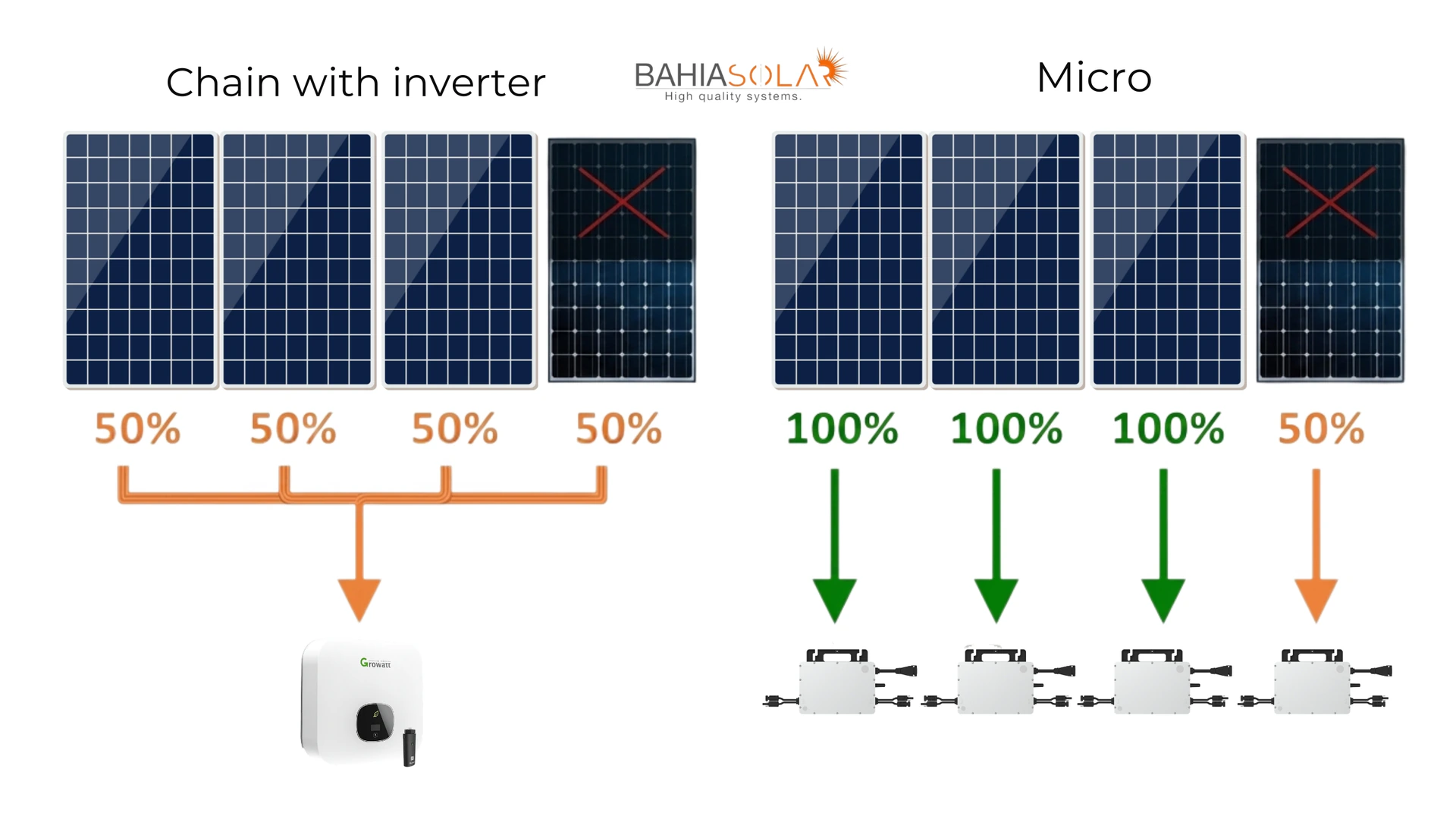
What is the difference between an inverter and a microinverter?
A string inverter centralizes conversion for several connected modules. Microinverters distribute that function at module level. The right choice depends on shade, roof orientations, project size, cost, monitoring, maintenance, and design goals.